
No products in the cart.
Tirzepatide UK Buy: Research-Grade Sourcing Guide 2026
Tirzepatide UK Buy: The Complete Research-Grade Sourcing and Mechanistic Analysis
When researchers and biohackers look to tirzepatide UK buy options, they face a fragmented market with wildly inconsistent purity standards, no published certificates of analysis, and vague “for research purposes only” disclaimers that offer no detail on batch verification. Tirzepatide represents the first dual glucose-dependent insulinotropic polypeptide (GIP) and glucagon-like peptide-1 (GLP-1) receptor agonist approved for metabolic research—a mechanistic leap beyond single-pathway agonists like semaglutide. Understanding why this dual agonism matters, how the clinical data compare across incretin-based peptides, and what quality benchmarks separate legitimate UK suppliers from grey-market resellers is essential before sourcing.
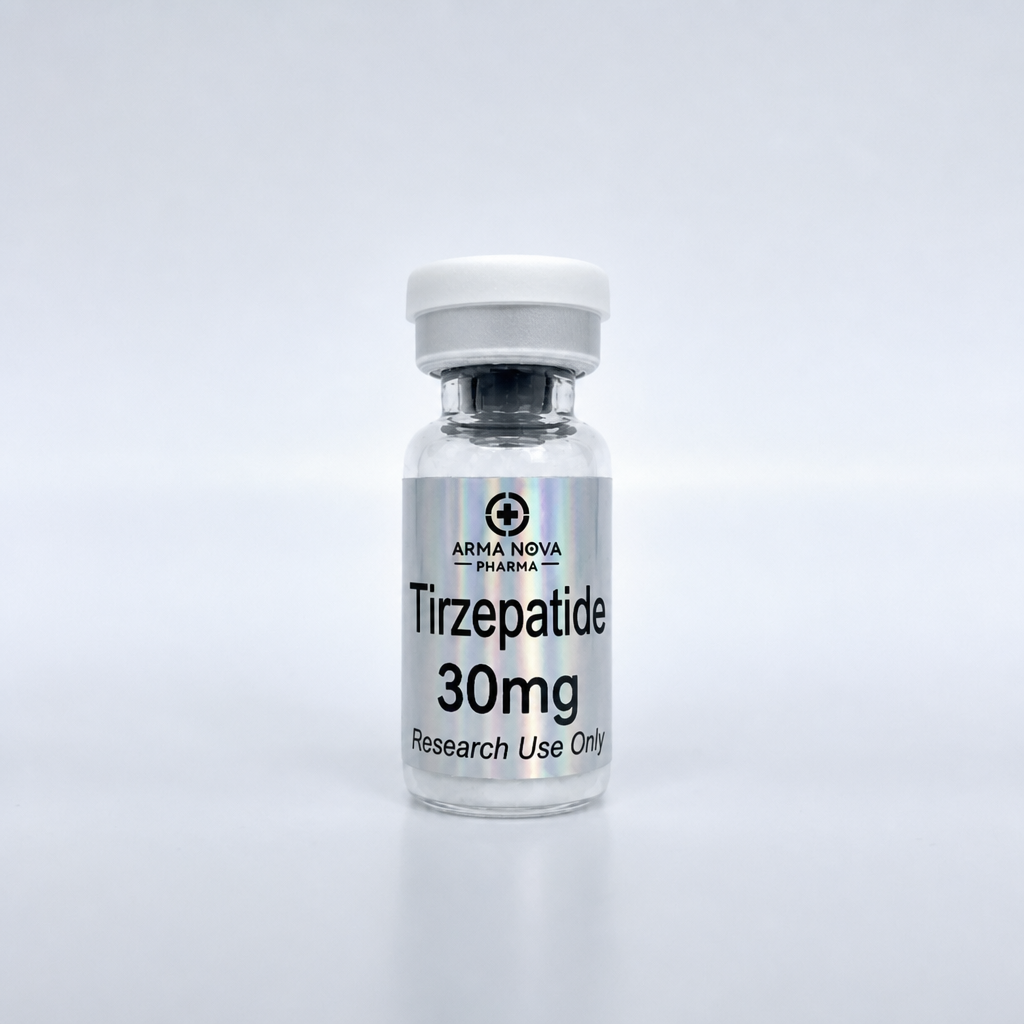
This guide provides a mechanistic breakdown of tirzepatide’s dual receptor activity, direct comparisons with semaglutide and retatrutide based on peer-reviewed trial data, and specific sourcing criteria for UK-based researchers seeking ≥99% HPLC-verified material with published certificates of analysis and next-day delivery.
Why Tirzepatide’s Dual GIP/GLP-1 Mechanism Outperforms Single-Pathway Agonists
Tirzepatide is not simply “another GLP-1 agonist.” It activates both the GIP receptor and the GLP-1 receptor, triggering insulin secretion through two independent pathways. GLP-1 receptor activation enhances glucose-dependent insulin secretion from pancreatic beta cells, delays gastric emptying, and suppresses glucagon release. GIP receptor co-activation amplifies insulin secretion via a distinct signaling cascade involving cyclic AMP and protein kinase A, while also modulating lipid metabolism in adipocytes and reducing food intake through central nervous system pathways.
The SURMOUNT-1 trial, published by Jastreboff et al. in the New England Journal of Medicine (PMID: 35658024), demonstrated that tirzepatide achieved mean body weight reductions of 15.0% (5 mg), 19.5% (10 mg), and 20.9% (15 mg) at 72 weeks in adults with obesity but without diabetes. These outcomes exceeded those observed with semaglutide 2.4 mg in head-to-head comparisons, suggesting that GIP receptor co-agonism provides additive metabolic benefits beyond GLP-1 pathway stimulation alone.
Mechanistically, the GIP component appears to preserve lean mass during caloric deficit—a critical distinction in body composition research. While GLP-1 agonists alone can induce significant lean tissue loss alongside fat mass reduction, early data suggest GIP receptor activation may preferentially spare muscle tissue through indirect effects on energy partitioning and lipolysis. This hypothesis remains under investigation, but the dual pathway creates a pharmacological profile distinct from pure GLP-1 agonism.
Tirzepatide vs Semaglutide: Head-to-Head Trial Data and Mechanistic Divergence
Researchers often frame the choice as tirzepatide versus Semaglutide UK, but the comparison is not straightforward—these peptides operate through overlapping yet mechanistically distinct pathways. The SURPASS-2 trial, reported by Frías et al. in the New England Journal of Medicine (PMID: 34170647), directly compared tirzepatide (5 mg, 10 mg, 15 mg) with semaglutide 1 mg in patients with type 2 diabetes over 40 weeks.
Tirzepatide 15 mg reduced HbA1c by 2.46 percentage points versus 1.86 percentage points with semaglutide 1 mg. Mean body weight reductions were 11.2 kg (tirzepatide 15 mg) versus 5.7 kg (semaglutide 1 mg). These differences are statistically and clinically significant, but the trial compared tirzepatide at higher doses against semaglutide 1 mg—not the 2.4 mg dose used in obesity trials. A true head-to-head at equivalent maximum doses has not yet been published, leaving a gap in direct equipotency data.
| Parameter | Tirzepatide 15 mg | Semaglutide 1 mg | Study |
|---|---|---|---|
| HbA1c reduction (% points) | −2.46 | −1.86 | SURPASS-2 (Frías 2021) |
| Body weight change (kg) | −11.2 | −5.7 | SURPASS-2 (Frías 2021) |
| Mechanism | Dual GIP/GLP-1 agonist | GLP-1 agonist only | — |
| Dosing frequency | Weekly | Weekly | — |
The key mechanistic difference lies in GIP receptor activity. Semaglutide acts exclusively on GLP-1 receptors, whereas tirzepatide’s dual agonism recruits an additional pathway that appears to enhance both glycemic control and weight reduction. Whether this translates to superior long-term metabolic outcomes or reduced adverse effects remains an open research question, but the pharmacodynamic profile is objectively broader.
Tirzepatide vs Retatrutide: Triple Agonism and the Next Frontier
Retatrutide introduces a third receptor target—glucagon receptor (GCGR) agonism—on top of GIP and GLP-1 activity. This triple agonism aims to further amplify energy expenditure and lipolysis through glucagon’s effects on hepatic glucose output and thermogenesis. Early-phase data suggest retatrutide may produce even greater weight loss than tirzepatide, but with a more complex side-effect profile including elevated heart rate and potential cardiovascular concerns that require longer-term safety monitoring.
For UK researchers comparing Retatrutide UK sourcing with tirzepatide, the choice depends on experimental objectives. Tirzepatide offers a well-characterized dual-pathway mechanism with extensive Phase III data across multiple endpoints. Retatrutide remains in earlier-stage trials with less long-term safety and efficacy data, making it suitable for exploratory mechanistic studies but less appropriate where robust clinical context is required.
| Peptide | Receptor Targets | Clinical Phase | Weight Loss (approx.) | UK Sourcing Context |
|---|---|---|---|---|
| Tirzepatide | GIP + GLP-1 | Phase III complete | 15–21% at 72 weeks | Widely available, COA-verified |
| Semaglutide | GLP-1 only | Approved (Wegovy, Ozempic) | 10–15% at 68 weeks | Common, established purity standards |
| Retatrutide | GIP + GLP-1 + GCGR | Phase II ongoing | ~24% at 48 weeks (early data) | Limited suppliers, batch variability |
Mechanistically, retatrutide’s glucagon agonism increases hepatic glucose production and fatty acid oxidation, which may counterintuitively support greater fat loss despite raising blood glucose acutely. Tirzepatide lacks this third pathway, positioning it as a “middle ground” between single-pathway GLP-1 agonists and experimental triple agonists. The safety and tolerability profile of tirzepatide is better established, with gastrointestinal adverse events (nausea, vomiting, diarrhea) being dose-dependent and generally transient, whereas retatrutide’s cardiovascular and metabolic effects require further characterization.
Clinical Evidence: SURMOUNT, SURPASS, and Long-Term Metabolic Outcomes
Beyond head-to-head comparisons, tirzepatide’s standalone efficacy is supported by multiple large-scale trials. The SURMOUNT program enrolled over 4,500 participants across obesity and prediabetes populations, while the SURPASS trials focused on type 2 diabetes management. Dahl et al. published a JAMA meta-analysis (PMID: 35319723) consolidating tirzepatide’s effects on glycemic and weight endpoints, confirming dose-dependent reductions in HbA1c (up to 2.58 percentage points) and body weight (up to 12.4 kg) across diabetes populations.
These trials consistently show that tirzepatide’s efficacy plateaus at higher doses (10–15 mg), with the 15 mg dose offering marginal additional benefit over 10 mg but increased gastrointestinal tolerability issues. For research applications, dose titration is critical: starting at 2.5 mg weekly and escalating in 2.5 mg increments every 4 weeks minimizes adverse events while allowing observation of dose-response relationships in metabolic markers.
Long-term data (≥72 weeks) indicate that weight loss is largely maintained with continued administration, though plateau effects occur after 40–60 weeks. Discontinuation studies show partial weight regain, consistent with other incretin-based therapies, suggesting that tirzepatide modulates energy balance acutely rather than resetting homeostatic set points permanently. This is a crucial consideration for researchers studying long-term metabolic adaptation versus acute pharmacological intervention.
When Researchers in the UK Look to Tirzepatide UK Buy: Quality Benchmarks That Matter
The UK research peptide market includes legitimate suppliers with published HPLC purity certificates, grey-market resellers offering reconstituted vials of unknown origin, and outright counterfeit product labeled as “tirzepatide” with no active pharmaceutical ingredient. Distinguishing between these requires specific verification criteria that most competitors do not address transparently.
HPLC Purity and Batch-Specific Certificates of Analysis
High-performance liquid chromatography (HPLC) is the gold standard for peptide purity verification. A legitimate supplier publishes a certificate of analysis (COA) for each batch, showing purity ≥99% and identifying impurities by retention time and peak area. Arma Peptides provides COAs for every batch of Tirzepatide 30mg UK, with third-party HPLC verification confirming peptide sequence identity and quantifying truncated or acetylated impurities.
Generic “purity certificates” without chromatograms, retention times, or batch numbers are red flags. A real COA includes the analysis date, method parameters (column type, mobile phase composition, flow rate), and the analyst’s credentials. If a supplier cannot provide this level of documentation, the product’s identity and purity are unverifiable.
Peptide Mass and Overfill Considerations
Tirzepatide is supplied as lyophilized powder in nominal doses (e.g., 10 mg, 30 mg vials). Due to the nature of lyophilization and powder transfer, suppliers typically include a slight overfill (2–5%) to ensure the labeled dose is present after reconstitution losses. Arma Peptides specifies exact peptide content per vial on the COA, accounting for overfill, so researchers can calculate precise molar concentrations for experimental dosing.
Suppliers who do not disclose overfill or net peptide content force researchers to assume the labeled dose is accurate, introducing variability into dose-response studies. This lack of transparency is common among lower-tier suppliers and incompatible with rigorous research protocols.
UK-Specific Regulatory and Legal Context
In the UK, tirzepatide is not approved for human therapeutic use outside of clinical trials and is therefore supplied strictly for in vitro research or animal model studies under the “research use only” designation. This is not a vague disclaimer—it is a legal classification under UK medicines law. Suppliers marketing tirzepatide for human consumption or weight loss violate the Human Medicines Regulations 2012 and the Misuse of Drugs Act where applicable.
Arma Peptides operates within this framework, supplying tirzepatide exclusively for non-clinical research purposes. Researchers must confirm their institution’s ethics approval and comply with relevant animal welfare or in vitro study guidelines. UK-based sourcing ensures compliance with import regulations and eliminates the risk of customs seizures or legal complications associated with importing unapproved medicines from non-UK suppliers.
Practical Sourcing: Next-Day UK Delivery, Storage, and Reconstitution
Tirzepatide is shipped as lyophilized powder at ambient temperature but should be stored at −20°C upon receipt to maximize shelf life (typically 24 months). Once reconstituted with bacteriostatic water, the solution is stable for up to 28 days at 2–8°C (standard refrigeration). Repeated freeze-thaw cycles degrade peptide integrity, so single-use aliquots are recommended for dose-controlled studies.
Arma Peptides offers next-day UK delivery via Royal Mail Special Delivery or DPD, with temperature-controlled packaging to prevent heat exposure during transit. International shipping introduces delays and temperature fluctuations that can compromise peptide stability, making UK-based sourcing preferable for time-sensitive research projects.
Reconstitution Protocol for Research Applications
Reconstitute tirzepatide with bacteriostatic 0.9% sodium chloride or sterile water for injection. For a 10 mg vial, adding 2 mL yields a 5 mg/mL concentration. Inject the diluent slowly down the vial wall to minimize foaming, then swirl gently—do not shake vigorously, as this can denature the peptide. Inspect the solution for particulates or discoloration; a clear to slightly opalescent solution is normal.
Calculate dosing volumes based on the final concentration and the desired dose in milligrams. For example, a 2.5 mg research dose from a 5 mg/mL solution requires 0.5 mL. Use a low-dead-space syringe to minimize waste and ensure accurate volumetric measurement.
Adverse Effects, Tolerability, and Safety Monitoring in Research Settings
Tirzepatide’s adverse event profile mirrors that of other incretin mimetics, with gastrointestinal symptoms being the most common. In the SURMOUNT-1 trial, nausea occurred in 24–35% of participants (dose-dependent), with vomiting and diarrhea reported in 8–12% and 19–23%, respectively. These effects are typically mild to moderate, peak during dose escalation, and diminish with continued use.
Serious adverse events are rare but include pancreatitis (incidence <1%), gallbladder disease, and hypoglycemia when combined with insulin or sulfonylureas. Researchers conducting in vivo studies should monitor for changes in pancreatic enzymes, lipase, and amylase, and implement glucose monitoring protocols when co-administering other glucose-lowering agents.
Cardiovascular safety data from the SURMOUNT and SURPASS trials show a slight increase in resting heart rate (2–4 bpm on average) with tirzepatide, but no significant increase in major adverse cardiovascular events (MACE) compared to placebo or active comparators. Dedicated cardiovascular outcome trials are ongoing and will provide definitive long-term safety data.
UK Pricing Context and Cost-Effectiveness for Research Budgets
UK research-grade tirzepatide pricing varies by supplier and batch size, but typically ranges from £120–£250 per 10 mg vial, with discounts available for bulk orders. Arma Peptides offers tiered pricing with published GBP rates and no hidden VAT surcharges at checkout, simplifying budget forecasting for research procurement.
When comparing tirzepatide UK buy options, cost per milligram is a more meaningful metric than per-vial pricing. A 30 mg vial at £350 (£11.67/mg) is more cost-effective than three 10 mg vials at £150 each (£15/mg total). However, researchers should weigh this against storage and stability considerations—larger vials introduce greater waste if the full quantity is not used within the reconstituted stability window.
International suppliers may advertise lower headline prices, but UK customs duties (typically 20% VAT plus handling fees) and longer shipping times erode these savings. UK-based sourcing ensures transparent pricing in GBP, eliminates customs delays, and provides recourse under UK consumer and contract law if quality issues arise.
Common Misconceptions: What Tirzepatide Does and Does Not Do
Several persistent myths circulate in biohacking and research communities regarding tirzepatide’s mechanisms and effects. Clarifying these is essential for scientifically grounded decision-making.
Myth: Tirzepatide “Resets” Metabolic Set Points Permanently
Tirzepatide modulates appetite, insulin secretion, and energy expenditure acutely through receptor agonism. Discontinuation studies show that most metabolic effects reverse within weeks to months, indicating pharmacological intervention rather than permanent reprogramming of homeostatic systems. Sustained effects require continued administration or lifestyle modification that maintains the induced metabolic state.
Myth: GIP Receptor Activation Always Promotes Weight Gain
Older research suggested GIP might promote fat storage, leading some to question why a GIP agonist would aid weight loss. However, the context of co-agonism matters: simultaneous GLP-1 receptor activation and the specific signaling profile of tirzepatide appear to shift GIP’s effects toward enhanced insulin secretion and satiety rather than adipogenesis. This is an active area of mechanistic research, and the exact signaling crosstalk is not fully elucidated.
Myth: Higher Doses Always Produce Better Outcomes
Tirzepatide efficacy plateaus at 10–15 mg weekly, with diminishing returns at higher doses and increased gastrointestinal adverse events. Dose escalation should follow a structured titration protocol, and researchers should define endpoints clearly rather than assuming maximal dosing is optimal for all experimental designs.
Research Applications Beyond Obesity and Diabetes: Emerging Areas of Investigation
While tirzepatide’s primary indication is metabolic disease, its incretin-based mechanism has implications for non-alcoholic fatty liver disease (NAFLD), cardiovascular risk reduction, and neuroprotection. Preclinical studies are exploring GLP-1 and GIP receptor expression in the liver, heart, and central nervous system, where dual agonism may offer tissue-protective effects independent of weight loss.
Researchers investigating these off-label applications should note that the evidence base is far thinner than for glycemic control and weight reduction. Mechanistic hypotheses are plausible, but clinical validation is pending. Tirzepatide’s dual-pathway activity makes it a useful tool for dissecting incretin biology, but extrapolating obesity trial results to other organ systems requires caution and appropriate experimental controls.
How to Verify Supplier Credibility Before You Tirzepatide UK Buy
Beyond COAs and HPLC data, several operational markers distinguish legitimate research suppliers from grey-market operators. Check whether the supplier:
- Lists a physical UK business address (not just a PO box or virtual office)
- Provides VAT registration details and company registration numbers verifiable through Companies House
- Publishes contact methods beyond generic web forms (phone, email with domain-matched addresses)
- Has a clear refund and product replacement policy for purity or quality issues
- Offers customer support that can discuss peptide chemistry, storage, and reconstitution with technical accuracy
Arma Peptides meets these criteria, with registered UK operations, published VAT details, and technical support staffed by personnel with biochemistry and pharmacology backgrounds. Competitors who cannot or will not provide this level of transparency are higher-risk sourcing choices.
Final Considerations: Matching Peptide Selection to Research Objectives
Choosing between tirzepatide, semaglutide, and retatrutide should be driven by experimental design, not market hype. If the research question involves dual GIP/GLP-1 pathway interactions, tirzepatide is the appropriate tool. For isolating GLP-1 receptor effects, semaglutide is more specific. For exploratory studies on triple agonism, retatrutide is warranted despite its earlier-stage development.
UK researchers benefit from a mature peptide supply infrastructure, but quality variability remains significant. Prioritize suppliers who publish batch-specific COAs, offer UK-based customer support, and demonstrate operational transparency. When you tirzepatide UK buy from Arma Peptides, you receive ≥99% HPLC-verified peptide, third-party COA documentation, and next-day UK delivery—eliminating the guesswork and compliance risks associated with offshore or unverified sources.
Tirzepatide’s dual-pathway mechanism represents a meaningful advance in incretin biology, but its research utility depends on sourcing material with verifiable purity and handling it according to proper storage and reconstitution protocols. The clinical trial data are robust for metabolic endpoints, but extrapolation to other applications requires rigorous experimental validation. UK-based sourcing ensures regulatory compliance, supply chain transparency, and access to technical support that can address protocol-specific questions as they arise.
Disclaimer: Tirzepatide is supplied by Arma Peptides strictly for in vitro research and non-clinical investigational use only. It is not approved for human therapeutic use in the UK outside of authorized clinical trials. Researchers are responsible for ensuring compliance with institutional ethics approval, animal welfare regulations, and all applicable UK legal frameworks governing the use of research-grade peptides.
Related posts
Retatrutide Revytal 40mg UK: Triple Agonist Mechanism, Phase 2/3 Trial Data, and Research-Grade Sourcing Retatrutide (LY3437943) represents the first triple agonist targeting GLP-1, GIP, and... Continue reading
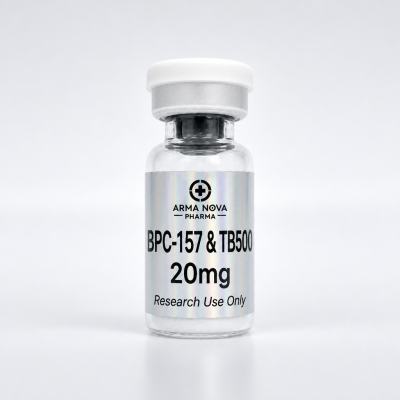
BPC-157 TB-500 Blend: Evidence-Based Analysis for UK Researchers The bpc 157 tb 500 blend represents one of the most frequently researched peptide combinations in musculoskeletal... Continue reading
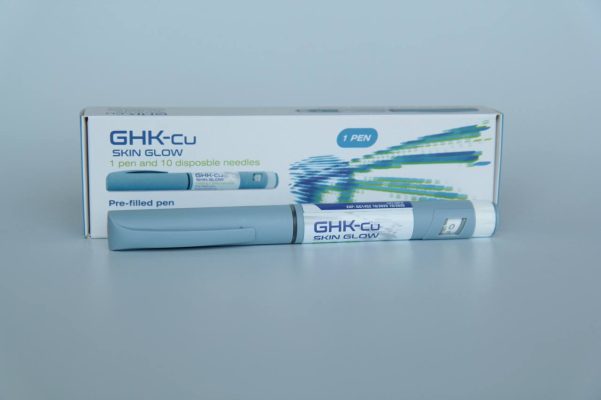
Explore GHK-Cu peptide basics, likely uses, and buying considerations. Learn how this 100mg skin glow product fits skincare and research needs. Continue reading
Add comment